Better Life on the Farm Tee: A Designer's Stitch-Test Review
When I first opened the file for Better Life on the Farm Tee, my initial reaction wasn't about the pixel-perfect resolution or the marketing copy. As someone who has spent years turning digital files into tangible, stitched reality, my eyes immediately went to the geometry of the layout and the implied texture of the stitches. This isn't just another generic "farm life" graphic; it carries a specific weight and mood that feels authentic to the countryside aesthetic without leaning too heavily into cliché.
The design screams warmth and nostalgia, instantly evoking images of golden hour light over a field or the quiet satisfaction of a well-tended homestead. For an embroidery designer, that emotional hook is crucial because it dictates where the product will live. It doesn't feel like something you'd slap onto a high-performance running jersey or a corporate polo. Instead, it belongs in the realm of cozy, tactile goods where the story matters as much as the visual. Whether you are an Etsy seller looking to expand your boutique collection or a hobbyist preparing a personalized gift, understanding this design's personality is the first step toward a successful finished product.
From Digital File to Real-World Stitching
I recently put Better Life on the Farm Tee through a rigorous test scenario to see how it translates from screen to fabric. The project? A custom embroidered tote bag intended for a local farmers market vendor who wanted to brand her reusable produce bags. This is a classic use case for T-Shirt Designs adapted for accessories, but the execution requires careful consideration of thread colors and stitch density.
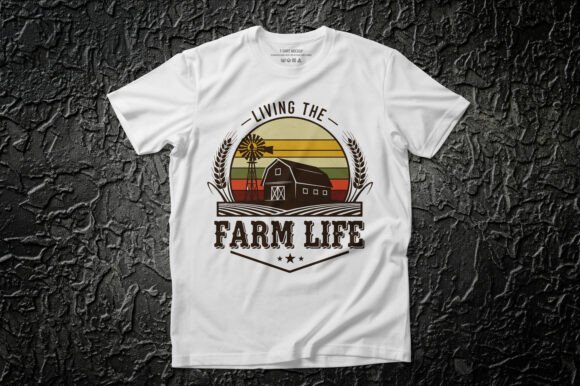
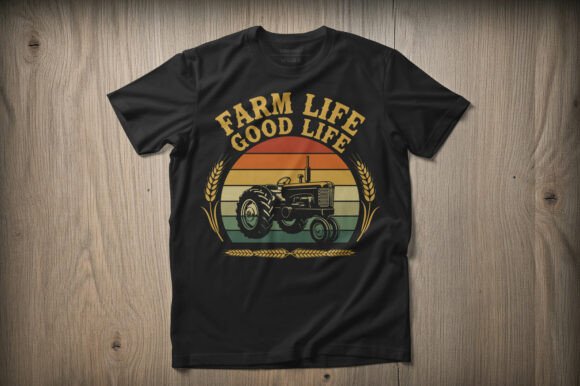
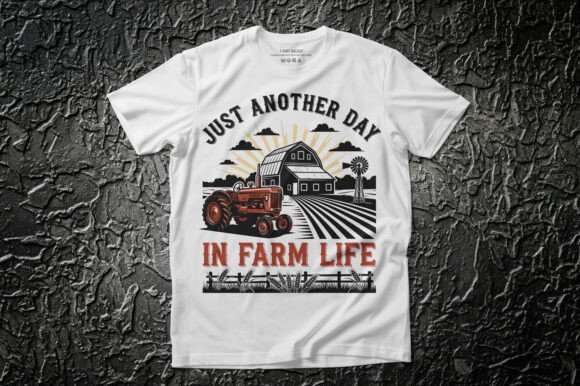
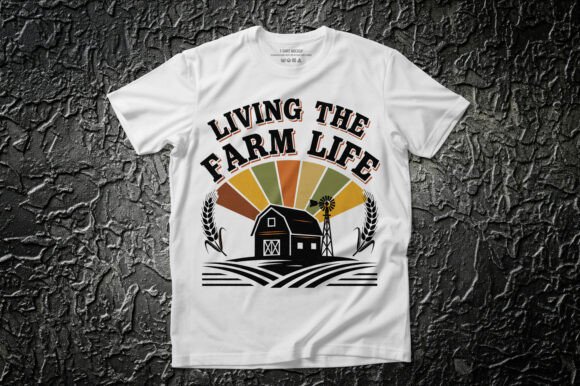
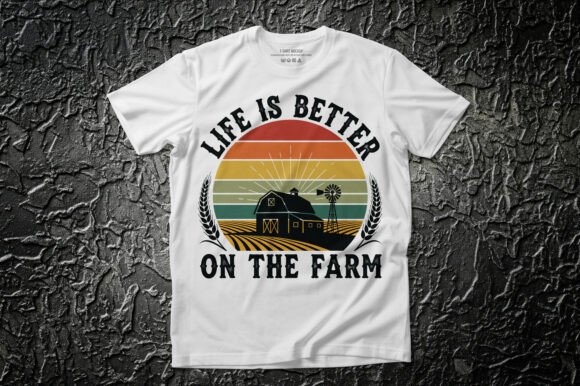
The design features bold lettering paired with rustic imagery, likely including elements like tractors or wheat stalks based on the theme. In the digital preview, these details look crisp. However, once loaded into the machine, the real challenge begins. The fill stitches need enough coverage to create a solid, textured look that mimics the ruggedness of farm life, yet they cannot be so dense that they warp the canvas of the tote bag. I found that using a medium-density fill stitch works best here, allowing the underlying fabric texture to peek through slightly, which adds to the handmade charm.
For the text portion, a satin stitch provides that clean, professional finish that customers expect on branded merchandise. The contrast between the smooth satin and the textured fill creates a dynamic visual hierarchy that guides the eye naturally across the design. When I held the finished tote up against the natural lighting of the market stall, the color palette—likely earthy tones like sage, denim blue, or mustard yellow—populated beautifully against the neutral canvas. It felt cohesive, not forced.
Where This Design Shines in Your Product Line
The versatility of Better Life on the Farm Tee extends far beyond the single tote bag experiment. Its layout is robust enough to handle various garment types and home decor items, making it a valuable asset for any Graphics collection focused on country living. If you run a small shop selling custom apparel, this design is perfect for sweatshirts and heavy cotton t-shirts where the fabric can support the weight of the embroidery without puckering.
Consider the potential for baby clothing. A smaller version of this design, scaled down for a onesie or a baby hat, would make for an incredibly sweet personalized gift. The soft curves of the typography combined with the wholesome message resonate deeply with parents who want to instill values of simplicity and nature early on. Similarly, imagine this design on a kitchen towel or a pillow cover. These items often feature larger surface areas, allowing the full composition of the design to breathe. The rustic theme fits perfectly in a farmhouse-style kitchen, adding a touch of character to everyday linens.
For those of you creating embroidered patches, this design offers excellent potential. The clear separation between the text and the graphic elements makes it easy to digitize for patch production, provided you account for the border width. A patch featuring this quote could easily become a signature item for a craft business, attaching to denim jackets, caps, or backpacks. It transforms a simple piece of cloth into a badge of identity for the wearer.
Navigating the Technical Challenges
While the aesthetic appeal is undeniable, no review would be complete without addressing the practical hurdles. Not every surface is created equal, and Better Life on the Farm Tee has specific limitations that must be respected to ensure a professional result.
Hoop size constraints are the first thing to watch. If you attempt to embroider this on a curved surface like a baseball cap, the distortion caused by the curvature can stretch the letters, making them illegible. For caps, you might need to reduce the scale significantly or adjust the digitizing to compensate for the curve. Similarly, small hoop sizes may struggle to capture the finer details if the original design includes intricate textures or tiny decorative accents. Always check the minimum dimensions before committing to a small item like a baby bootie or a small wrist cuff.
Fabric choice is equally critical. Stretchy fabrics, such as standard jersey knits used for t-shirts, require a stabilizer strategy that prevents the design from pulling and distorting during stitching. Without proper stabilizer support, the tension of the threads can cause the fabric to pucker around the edges of the design, ruining the silhouette. On dark fabrics, thread color contrast becomes a major factor. If the design relies on subtle shading or light-colored outlines, they may get lost against a black background unless you choose high-contrast thread colors or add a underlay layer to boost visibility.
Dense stitch areas also demand attention. If the design includes large blocks of fill stitch, running the machine at high speeds on thin fabric can lead to thread breakage or needle deflection. It is always wise to test the design on scrap fabric first to gauge the stability and adjust the speed or tension settings accordingly. Additionally, for products that will undergo frequent washing, such as aprons or work shirts, ensure the stitch density is sufficient to withstand friction and agitation without fraying.
Designer Notes for Commercial Success
Before you start mass-producing items with Better Life on the Farm Tee, there are a few final checks to run through. First, verify the licensing terms. Are you allowed to sell finished products made with this design? Some digital embroidery files come with personal-use-only restrictions, while others allow commercial sales. Confirming this upfront protects your craft business from legal headaches later.
Next, invest time in testing thread colors. The right combination can elevate the design from "good" to "exceptional." Try contrasting the thread colors against both light and dark backgrounds to see how the design performs in different contexts. Don't forget to inspect the small details closely; sometimes what looks fine on a screen can appear muddy when stitched with actual thread. Running a test on a white mockup and then on a colored mockup can reveal issues with registration or color bleeding that you might otherwise miss.
Finally, think about the customer experience. A well-executed embroidery project builds trust. When a buyer receives a product with clean stitches, no puckering, and a design that sits true to its digital form, they associate that quality with your brand. This is especially important for Etsy sellers and small shop owners who rely on repeat customers and word-of-mouth referrals. The Better Life on the Farm Tee design has the potential to be a standout piece in your catalog, provided you approach it with the same care and technical precision that you apply to every other aspect of your work.
In conclusion, this design is more than just a pretty picture; it is a functional tool for storytellers and makers. By respecting the technical requirements and leveraging its rustic charm, you can create products that resonate with the heart of the countryside lover. Whether it ends up on a tote bag, a sweatshirt, or a nursery pillow, the key lies in the execution. Take your time, test thoroughly, and let the craftsmanship speak for itself.